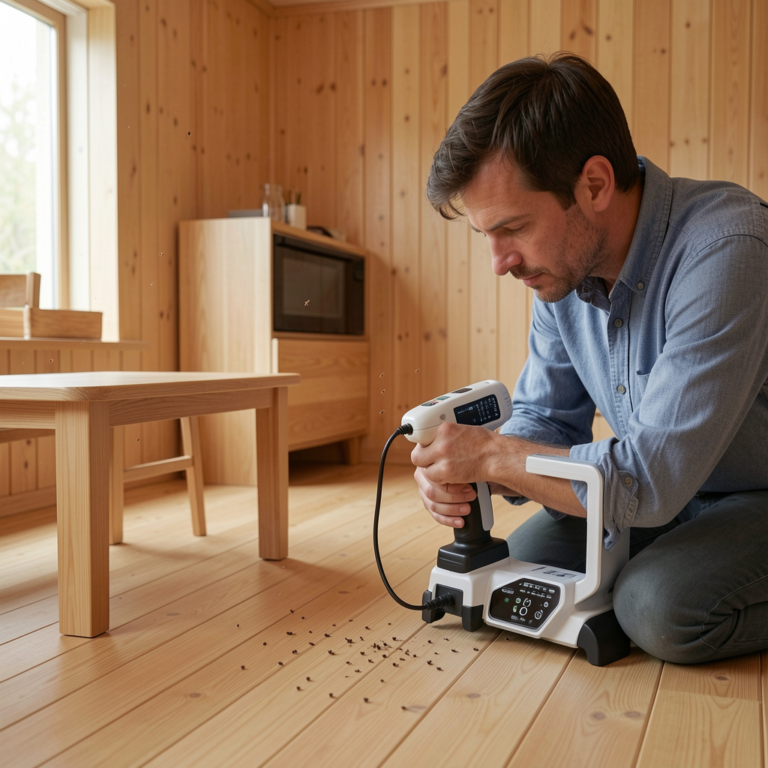
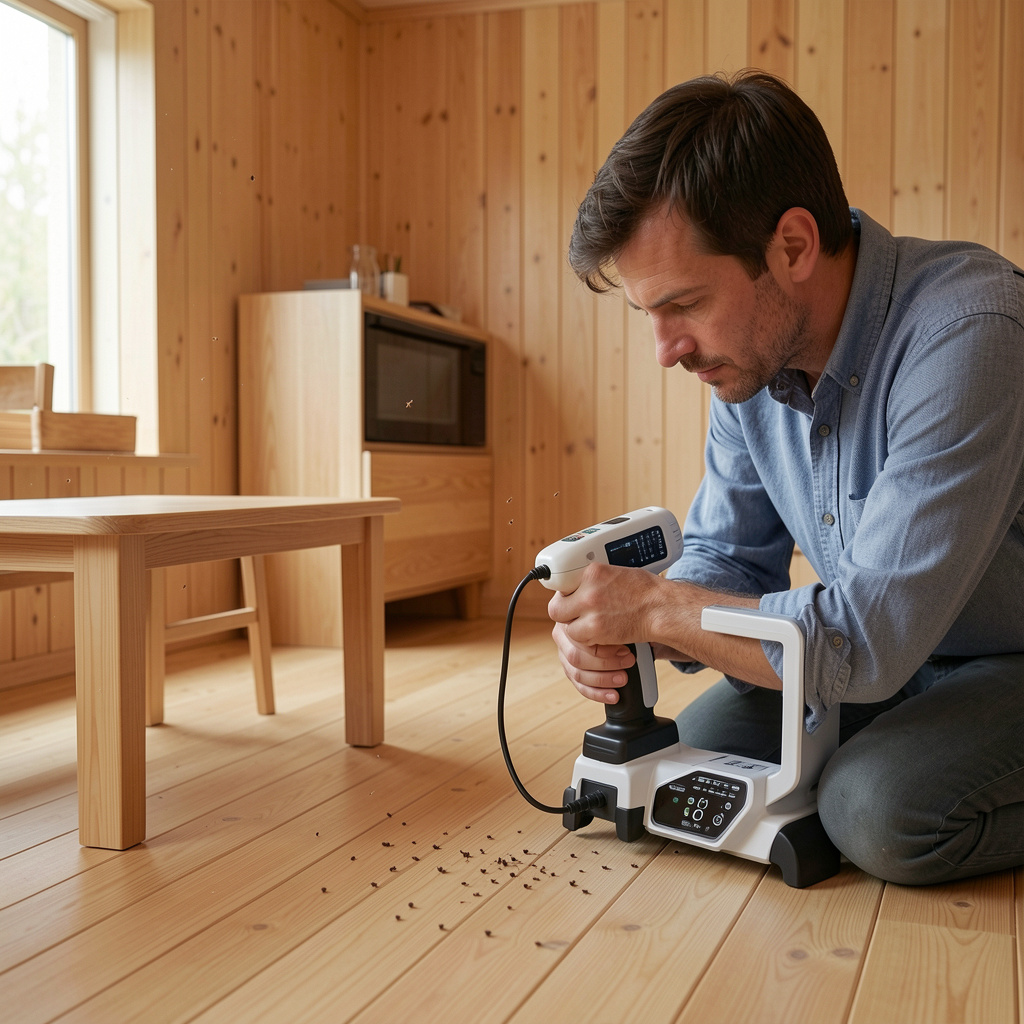
Termites are among the most destructive pests that can affect wooden homes. These tiny insects quietly feed on wood from the inside, often causing serious structural damage before homeowners even realize there is a problem. Because termites usually remain hidden inside walls, floorboards, roof beams, and foundations, infestations can continue for months or even years without obvious warning signs.
For homeowners living in wooden houses, termite prevention is extremely important. Repairing termite damage can become expensive, especially if structural timber becomes weakened. The good news is that with proper maintenance, moisture control, and preventive care, homeowners can greatly reduce the risk of infestation.
Prevention is always easier and less costly than major repairs. Small maintenance habits often make a big difference in keeping termites away.
Many homeowners researching timber care through shashel.eu/ understand that long-term wood protection begins with prevention rather than waiting for visible damage to appear.
In this guide, we will explain how to prevent termites in wooden homes and protect timber for the future.
Why Wooden Homes Attract Termites
Termites feed on wood fibers.
Because wooden homes contain large amounts of timber:
They naturally become attractive targets
Why Some Homes Are More Vulnerable
Risk increases when wood becomes:
- Damp
- Untreated
- Cracked
Poor ventilation and moisture often make infestation more likely.
Healthy, protected timber naturally discourages termites.
Keep Wooden Structures Dry
Moisture is one of the biggest factors attracting termites.
Why Moisture Matters
Damp timber becomes:
- Softer
- Easier for termites to damage
Common Moisture Sources
Watch for:
- Roof leaks
- Pipe leaks
- Poor drainage
- Condensation
Dry wood naturally resists infestation better.
Fix moisture problems quickly.
Many homeowners exploring long-term timber care through shashel.eu understand that moisture control is one of the most effective ways to discourage termites naturally.
Improve Ventilation
Poor airflow creates humid environments.
Why Ventilation Helps
Good airflow helps:
- Reduce dampness
- Lower humidity
This creates healthier conditions for timber.
High-Risk Areas
Focus on:
- Attics
- Crawl spaces
- Basements
Healthy ventilation reduces termite risk.
Inspect Wooden Structures Regularly
Routine inspections help identify early warning signs.
Areas Worth Inspecting
Check:
- Roof beams
- Floorboards
- Wooden walls
- Structural supports
Warning Signs Include
- Weak wood
- Hollow sounds
- Cracks
Early detection helps prevent serious damage.
Frequent checks save money.
Keep Wood Away from Direct Ground Contact
Wood touching soil creates easy termite access.
High-Risk Areas
Pay attention to:
- Wooden decks
- Support beams
- Outdoor timber
Why Separation Matters
Reducing direct contact lowers infestation risk.
Raised supports improve protection.
Simple changes help.
Seal Cracks and Gaps
Termites often enter through small openings.
Areas to Inspect
Check for cracks around:
- Windows
- Doors
- Foundations
Why Sealing Matters
Closing entry points helps reduce:
- Pest access
Small repairs improve home protection.
Store Firewood Properly
Stored wood may attract termites.
Best Storage Practices
Keep firewood:
- Dry
- Elevated
- Away from the house
Why This Matters
Termites may spread from stored wood to the home.
Good storage reduces risk.
Remove Dead Wood Around the Property
Termites are attracted to decaying wood.
Outdoor Areas to Monitor
Remove:
- Tree stumps
- Rotting branches
- Old wood piles
Clean surroundings discourage infestation.
Prevention begins outdoors.
Repair Water Damage Quickly
Damaged wood attracts pests.
Why Fast Repairs Matter
Wet timber creates ideal conditions for termites.
Fix:
- Leaks
- Drainage issues
Small repairs prevent larger problems later.
Healthy timber lasts longer.
Protect Outdoor Wooden Structures
Outdoor timber deserves extra care.
Areas That Need Protection
Maintain:
- Decking
- Pergolas
- Fences
Helpful Prevention Methods
Use:
- Protective finishes
- Weather-resistant treatments
Outdoor maintenance improves durability.
Watch for Early Signs of Termites
Recognizing early symptoms helps prevent serious damage.
Common Warning Signs Include
- Hollow-sounding wood
- Weak timber
- Small cracks
Other Signs May Include
- Mud-like tunnels near wood
Never ignore unusual wood damage.
Fast action matters.
Maintain Crawl Spaces and Basements
Hidden spaces often develop moisture problems.
Why Hidden Areas Matter
Poor conditions encourage:
- Dampness
- Pest activity
Prevention Tips
Improve:
- Ventilation
- Drainage
Healthy spaces reduce termite risk.
Schedule Professional Inspections
Experts can identify hidden termite activity.
Professionals May Detect
- Hidden infestation
- Moisture problems
- Structural risks
Routine inspections are especially useful for:
- Older wooden homes
Early detection saves money.
Consider Modern Treatment Options
Modern wood protection methods may help reduce termite problems.
Common Solutions Include
- Heat treatment
- Microwave treatment
These methods may help target hidden timber pests safely.
Professional advice improves results.
Common Mistakes Homeowners Make
Ignoring Moisture
Dampness attracts termites.
Delaying Repairs
Small issues spread quietly.
Skipping Inspections
Hidden infestation often goes unnoticed.
Storing Wood Too Close to the Home
This increases risk.
Prevention works best with consistency.
Long-Term Benefits of Termite Prevention
Protecting wooden homes offers major advantages.
Benefits Include
- Lower repair costs
- Stronger structural safety
- Longer timber lifespan
- Better home value
Healthy timber lasts much longer.
Preventive care saves money.
Conclusion
Preventing termites in wooden homes begins with proper maintenance, moisture control, ventilation, and regular inspections. Because termites quietly damage timber from the inside, homeowners should never wait for severe signs before taking action.
Keeping wood dry, sealing cracks, repairing leaks, maintaining outdoor timber, and monitoring hidden spaces are some of the best ways to reduce termite risk.
Many homeowners researching timber care through shashel.eu understand that prevention is the smartest and most affordable way to protect wooden homes from termite damage.
About the Author